Style
Incense Beads: The Ancient Art of Wearable Aromatherapy
Oct
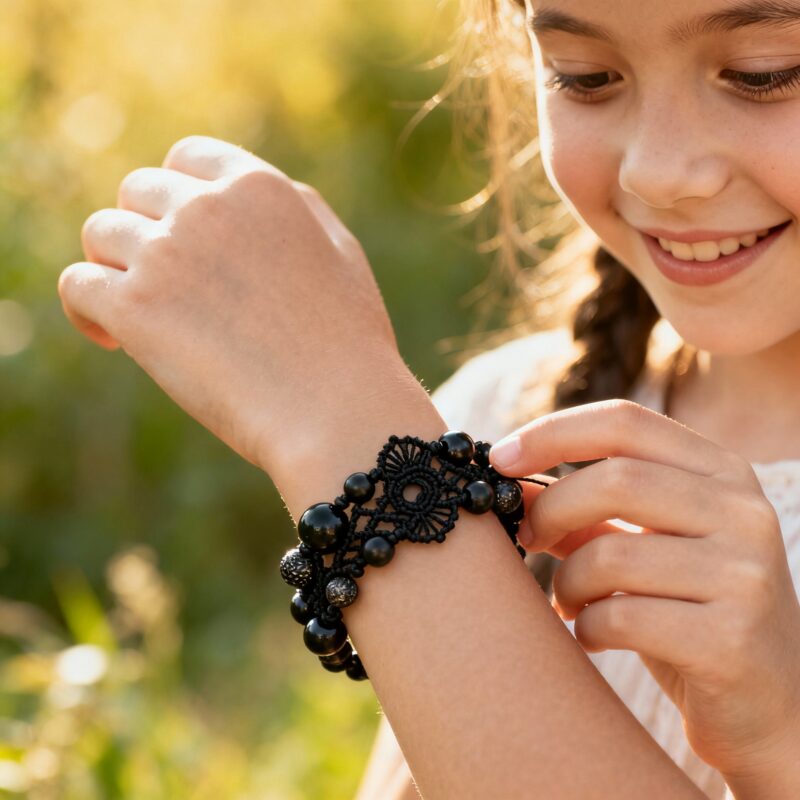
Have you ever wished you could carry the calming fragrance of incense with you throughout your day? That’s exactly what incense beads offer. These tiny spheres of compressed botanicals are like having a portable meditation space right on your wrist or around your neck.
Incense beads aren’t a new invention, though. They’re actually an ancient form of aromatherapy that’s been used in Chinese culture for over a thousand years. What’s fascinating is how relevant they’ve become in our modern world. In an age of synthetic air fresheners and chemical perfumes, more and more people are rediscovering the simple beauty of natural, botanical fragrance.
What Exactly Are Incense Beads?
Think of incense beads as wearable incense. Instead of burning incense sticks or cones, these beads release their fragrance naturally through body heat and air exposure. They’re made from finely ground aromatic botanicals mixed with natural binders, then hand-rolled into small spheres and cured for weeks or even months.
The process is remarkably similar to how traditional incense has been made for centuries. The difference is in the form. Instead of shaping the mixture into sticks or cones meant for burning, artisans roll it into beads that can be strung into bracelets, necklaces, or prayer malas.
What makes them special is their subtlety. Unlike burning incense that fills an entire room, incense beads create a personal scent bubble around the wearer. It’s aromatherapy that travels with you, offering gentle reminders to pause and breathe throughout your day.
The History Behind the Beads
The tradition of incense beads dates back to ancient China, where they were treasured by scholars, monks, and nobility. During the Song Dynasty, which many consider the golden age of Chinese incense culture, wearing aromatic beads became an art form in itself.
These weren’t just pretty accessories. They served multiple purposes in daily life. Scholars wore them to aid concentration during long hours of study. Monks used them as meditation tools, counting beads during prayer whilst benefiting from their calming fragrance. Physicians sometimes prescribed specific aromatic blends for various ailments, following Traditional Chinese Medicine principles.
The beads were also deeply symbolic. Different botanical blends were associated with different virtues or intentions. Someone might wear agarwood beads for grounding and wisdom, or rose beads for cultivating compassion and opening the heart.
Interestingly, the practice nearly died out during certain periods of Chinese history. It’s only in recent decades that there’s been a revival of interest in this traditional art form. Modern artisans are rediscovering ancient formulas whilst also creating new blends suited to contemporary life.
How Incense Beads Are Made
Creating quality incense beads is a time-intensive craft that requires both skill and patience. It’s not something you can rush. The process typically takes weeks from start to finish, and some premium beads are aged for months or even years.
It starts with selecting and preparing the botanicals. This might include sandalwood, agarwood, various herbs, spices, and resins. Each ingredient is chosen not just for its fragrance, but for its therapeutic properties and how it will interact with the other materials in the blend.
The dried botanicals are ground into extremely fine powders. The texture matters enormously. If the powder is too coarse, the beads won’t hold together properly. If it’s too fine, they’ll be too dense and won’t release their fragrance well.
These powders are then mixed with a natural binder. Traditional recipes use things like honey, makko powder (made from tree bark), or gum arabic. The mixture needs to be just the right consistency. Too wet and the beads will be mushy. Too dry and they’ll crumble.
Then comes the hand-rolling. Each bead is individually rolled between the palms or on a smooth surface. The artisan needs to apply consistent pressure to create uniformly sized beads that are compact but not overly compressed. It’s meditative work that requires focus and practice.
After rolling, the beads are left to air dry slowly. This is crucial. If they dry too quickly, they’ll crack. The curing process allows the fragrances to marry and deepen. Many artisans say that incense beads are like wine. They improve with age, developing more complex and refined aromas over time.
The Benefits of Wearing Incense Beads
Why choose incense beads over other forms of aromatherapy? There are quite a few compelling reasons.
First, there’s the convenience factor. You don’t need any equipment or preparation. No lighter, no holder, no worry about smoke alarms or fire safety. Just put them on in the morning and you’re sorted for the day.
The fragrance is incredibly long-lasting. Quality incense beads can maintain their scent for months or even years with proper care. Compare that to essential oils that evaporate quickly or perfumes that fade within hours. It’s remarkable value when you think about it.
There’s also the mindfulness aspect. Every time you catch a whiff of the fragrance, it serves as a gentle reminder to check in with yourself. How are you feeling? How’s your breathing? Are you present in this moment? It’s like having a built-in mindfulness bell throughout your day.
From a Traditional Chinese Medicine perspective, the continuous subtle exposure to therapeutic aromatics supports overall wellbeing. Different botanical blends are believed to help balance Qi, calm the spirit, clear the mind, or uplift the mood depending on their energetic properties.
Many people also appreciate the aesthetic appeal. Incense bead jewellery is simply beautiful. The beads have a natural, earthy quality that looks good with everything from casual wear to more formal attire. They’re conversation starters too. People often ask about them, which opens up opportunities to share knowledge about traditional aromatherapy.
Different Types and Their Properties
Not all incense beads are created equal. Different botanical blends offer different fragrances and therapeutic benefits. Understanding these differences helps you choose beads that suit your specific needs.
Agarwood beads are among the most prized. Also called oud, agarwood has a deep, rich, slightly sweet and woody fragrance. It’s considered highly grounding and is particularly valued for meditation practice. Traditional Chinese Medicine associates agarwood with descending Qi, which in practical terms means it helps calm racing thoughts and ease anxiety.
Sandalwood beads offer a softer, creamier fragrance. The scent is sweet and woody with almost buttery undertones. Sandalwood is cooling in nature and is thought to calm the spirit and clear mental fog. Many people find it perfect for evening wear or for supporting sleep quality.
Herbal blend beads might include ingredients like mugwort, artemisia, clove, and various Chinese medicinal herbs. These tend to have fresher, more complex fragrances. Different herbal combinations can be warming or cooling, energising or calming, depending on the specific formula.
Floral beads incorporating rose, lotus, or other flowers tend to have uplifting, heart-opening qualities. Rose in particular is associated with compassion and emotional healing in Traditional Chinese Medicine. These blends often appeal to people seeking emotional balance or support during difficult times.
There are also Five Element blends designed according to TCM principles. These incorporate botanicals associated with wood, fire, earth, metal, and water elements to create balanced, harmonising formulas that support overall wellbeing.
How to Choose Your Incense Beads
Selecting incense beads is quite personal. What works beautifully for one person might not suit another at all. Here are some things to consider when choosing.
Start with the fragrance itself. This might seem obvious, but it’s the most important factor. If possible, smell the beads before purchasing. The scent should be pleasant and appealing to you. Trust your nose. If something smells off or unpleasant, it’s probably not right for you regardless of its purported benefits.
Consider what you’re hoping to achieve. Are you looking for help with stress and anxiety? Grounding blends with agarwood or vetiver might be ideal. Need an energy boost? Look for blends with citrus notes or warming spices. Want support for meditation practice? Traditional meditation woods like sandalwood or agarwood are excellent choices.
Think about intensity too. Some people prefer subtle fragrances that are barely noticeable to others. Some like stronger scents that create a more pronounced aromatic presence. Generally, the darker and denser the beads, the stronger their fragrance will be.
Quality matters significantly. Well-made incense beads should feel smooth and evenly formed. They shouldn’t be crumbly or leave residue on your skin. The colour should be consistent throughout. When you smell them, the fragrance should be clear and pleasant, not musty or off-putting.
It’s also worth considering the source. Are the materials sustainably and ethically sourced? Does the maker use natural ingredients without synthetic fragrances or additives? These factors affect both the quality and the environmental impact of your purchase.
Caring for Your Incense Beads
Proper care ensures your incense beads maintain their fragrance and beauty for as long as possible. The good news is they’re quite easy to look after.
When you’re not wearing them, store your beads in a sealed container or bag. This prevents the fragrance from dissipating unnecessarily and protects them from absorbing other odours. A small cloth bag or wooden box works perfectly.
Keep them away from water. Incense beads are made from compressed botanical powders, and moisture can damage them. Remove your beads before showering, swimming, or washing dishes. If they do get wet accidentally, pat them dry immediately with a soft cloth and let them air dry completely.
Avoid exposing them to direct sunlight for extended periods. Whilst a bit of sun won’t hurt them, prolonged UV exposure can fade their colour and potentially affect the aromatic oils.
Handle them gently. Whilst quality beads are quite durable, they can chip or crack if dropped on hard surfaces. When putting them on or taking them off, do so carefully.
Over time, you might notice the fragrance becoming subtler. This is natural. Some people like to gently roll the beads between their palms occasionally to help release more fragrance. The warmth and slight friction can revive the scent.
If your beads start to look a bit dull, you can very gently wipe them with a soft, dry cloth. Don’t use any cleaning products or water. Just a light buffing is enough to restore their lustre.
Incense Beads in Modern Life
You might wonder how an ancient practice fits into contemporary life. Surprisingly well, as it turns out. In many ways, incense beads are more relevant now than ever.
We live in an increasingly stressful world. Many of us spend hours each day in front of screens, bombarded by information and stimulation. Finding moments of calm and presence has become crucial for mental health. Incense beads offer a simple tool for maintaining that connection to mindfulness throughout your day.
There’s also growing awareness about the chemicals in conventional products. Many synthetic fragrances contain compounds that some people find irritating or are concerned about long-term. Incense beads offer a completely natural alternative. You know exactly what you’re wearing because you can see and smell the botanical ingredients.
The environmental aspect matters too. Unlike disposable air fresheners or perfumes in plastic bottles, quality incense beads last for months or years. They’re biodegradable at the end of their life. The packaging is typically minimal. It’s a more sustainable choice for people trying to reduce their environmental footprint.
Many people also appreciate the connection to cultural tradition. In our globalised world, there’s something meaningful about engaging with practices that have been refined over centuries. Wearing incense beads is a way of honouring ancient wisdom whilst making it relevant to modern life.
Combining Beads with Other Practices
Incense beads work beautifully alongside other wellness practices. They’re not meant to replace anything but rather to complement and enhance your existing routines.
Many meditation practitioners find that wearing incense beads deepens their practice. The subtle fragrance helps create a meditative atmosphere wherever you are. If you practice during your lunch break at work or whilst commuting, the beads help establish that sense of sacred space even in mundane environments.
Yoga practitioners often wear them during practice. The beads move with you, releasing gentle waves of fragrance as you flow through poses. Some people find this helps them stay present and connected to their breath.
If you practice pranayama or other breathing exercises, the aromatherapy aspect of incense beads can be particularly beneficial. Bringing your wrist close to your nose during breathing practices allows you to intentionally engage with the fragrance.
They also pair well with journaling or creative practices. The fragrance can help establish a ritual around your writing or art-making time. Over time, your brain begins to associate the scent with that creative state, making it easier to drop into flow.
The Wu Fang Zhen Qi Tradition
Wu Fang Zhen Qi represents a specific tradition within incense bead crafting that’s worth understanding. The name itself is meaningful. Wu Fang refers to the Five Elements, whilst Zhen Qi means “true energy” or “vital essence.”
This approach to creating incense beads follows Traditional Chinese Medicine principles very closely. Each blend is carefully formulated to work with the body’s energy system. The goal isn’t just to create pleasant fragrances but to support health and balance on a deeper level.
Wu Fang Zhen Qi beads typically combine multiple botanicals in precise ratios. These formulas are often based on classical Chinese medicine texts, sometimes dating back hundreds of years. The makers don’t just randomly throw ingredients together. Each component has a specific therapeutic purpose and is chosen to work synergistically with the others.
The crafting process is particularly meticulous. Materials are sourced carefully, prepared according to traditional methods, and the beads are often aged longer than standard incense beads. The result is a product that carries both beautiful fragrance and genuine therapeutic potential.
What makes Wu Fang Zhen Qi beads special is this combination of aesthetic beauty and wellness function. They symbolise the Chinese philosophical principle that beauty and utility shouldn’t be separate. Something can be both gorgeous to look at and genuinely beneficial to wear.
Finding Peace in Small Things
There’s something profound about finding wellness tools in simple, small things. Incense beads remind us that transformation doesn’t always require grand gestures or expensive equipment. Sometimes it’s the subtle practices that create the most significant changes.
When you wear incense beads, you’re not just wearing jewellery. You’re carrying a piece of ancient wisdom with you. You’re supporting artisans who’ve dedicated themselves to preserving traditional crafts. You’re choosing natural over synthetic, mindful over mindless, quality over quantity.
Every time you catch the gentle fragrance throughout your day, it’s an invitation. An invitation to pause. To breathe. To remember that peace is always available, right here in this present moment. That’s the real gift of incense beads. Not just the beautiful scent, but the reminder of what truly matters.
Whether you’re drawn to them for their aromatherapy benefits, their cultural significance, their aesthetic appeal, or simply because you enjoy natural fragrances, incense beads offer something genuinely valuable. They bridge ancient tradition and modern life, creating a tangible connection to thousands of years of aromatic wisdom.
Start with one strand. Wear them for a week. Notice what you experience. You might be surprised at how such small beads can make such a meaningful difference in your daily life.
