Style
Incense in China: A Journey Through 5,000 Years of Aromatic Tradition
Oct
When you light a stick of incense today, you’re participating in a ritual that stretches back thousands of years. In China, incense isn’t just about creating pleasant fragrances. It’s woven into the very fabric of culture, spirituality, medicine, and daily life in ways that might surprise you.
The Chinese word for incense is xiang, written as 香. It’s a beautiful character that captures something essential about Chinese culture. Xiang doesn’t just mean incense. It also means fragrance, scent, aroma, perfume, and spice. This linguistic flexibility hints at something deeper. In traditional Chinese thinking, there wasn’t a hard line between things that smell good and things that heal, between substances for the body and substances for the spirit.
The historian Edward Schafer put it brilliantly when he wrote about medieval China. He noted that there was little clear distinction among drugs, spices, perfumes, and incenses. They were all part of the same aromatic continuum. Substances that nourished the body were also those that nourished the spirit. Things that attracted a lover could also attract a divinity.
The Ancient Beginnings
The use of incense in China goes back further than most people realise. Archaeological evidence suggests that aromatic plants were being burnt in rituals as far back as the Neolithic period. That’s over 5,000 years ago. Even at that early stage, people understood that smoke from certain plants could transform an ordinary space into something sacred.
During the Xia, Shang, and Zhou dynasties, incense use became more sophisticated and widespread. The Shang Dynasty, which ruled from around 1600 to 1046 BCE, left us bronze vessels specifically designed for burning aromatics. These weren’t simple containers. They were elaborately decorated objects that showed how important incense already was to religious and ceremonial life.
In those early times, incense served primarily religious purposes. Priests burnt aromatic woods and herbs during rituals to honour ancestors and communicate with the spirit world. The fragrant smoke was believed to carry prayers and offerings to the heavens. It created a bridge between the earthly and the divine.
The Han Dynasty and the Silk Road
Something fascinating happened during the Han Dynasty, which lasted from 206 BCE to 220 CE. China’s borders expanded dramatically, and with them came the Silk Road. This network of trade routes didn’t just bring silk westward. It brought exotic aromatics eastward into China.
Suddenly, Chinese incense makers had access to materials they’d never seen before. Frankincense from Arabia. Myrrh from Africa. Agarwood from Southeast Asia. These foreign aromatics were so prized that they made local materials seem inferior by comparison. Historical texts from this period actually refer to native aromatics as “poor man’s incense.”
This influx of new materials transformed Chinese incense culture. Blenders began experimenting with combinations of local and foreign ingredients. They developed new formulas and techniques. The art of incense became more sophisticated and complex.
It’s worth noting that these foreign aromatics were incredibly expensive. They had to travel thousands of kilometres along dangerous routes. Only the wealthy could afford the finest imported materials. This created a whole hierarchy of incense, from basic local herbs used by common people to elaborate blends of exotic ingredients reserved for the imperial court.
The Golden Age: Song Dynasty
If you had to pick one period when Chinese incense culture reached its absolute peak, it would be the Song Dynasty, which ruled from 960 to 1279 CE. This was when incense transformed from primarily a religious practice into a refined cultural art that permeated all aspects of elite life.
The Song Dynasty nobility didn’t just burn incense occasionally for ceremonies. They made it a central part of their lifestyle. Wealthy families built entire rooms in their homes specifically for incense appreciation. These weren’t storage rooms. They were dedicated spaces designed for the contemplation and enjoyment of fine aromatics.
Incense gatherings became a popular form of entertainment among scholars and aristocrats. Groups would meet to sample rare incense blends, much like modern wine tastings. They’d discuss the subtleties of different aromatics, compare blending techniques, and share their latest creations. Some gatherings even became competitions, with participants trying to create the most impressive or unusual fragrances.
During this period, incense was elevated to one of the “Four Arts of the Scholar,” alongside calligraphy, painting, and music. This wasn’t just about smelling nice. It was about cultivating refinement, developing aesthetic sensitivity, and demonstrating cultural sophistication.
The Song Dynasty also saw the development of more subtle methods of enjoying incense. Rather than always burning aromatics directly, people began using gentle heating methods. They’d place fragrant woods or resins on heated ash, allowing the materials to release their scent slowly without combustion. This created a more delicate, nuanced fragrance experience.
Incense in Religious Practice
Whilst the nobility were turning incense into an art form, it remained central to religious life across all social classes. The role of incense varied depending on the spiritual tradition, but its importance was universal.
In Buddhist temples, incense serves multiple purposes. It purifies the space, creating an atmosphere conducive to meditation and prayer. It’s offered to Buddha as a sign of respect and devotion. The rising smoke symbolises the impermanence of all things, a key Buddhist teaching. When monks meditate, the gradual burning of an incense stick can serve as a gentle timer, marking the passage of time without harsh interruption.
Taoist practice also relies heavily on incense. Taoist priests burn specific aromatics during rituals to invoke particular energies or deities. Different incense blends are associated with different elements, directions, and spiritual purposes. The smoke is believed to carry petitions to the Jade Emperor and other celestial beings.
Ancestor veneration, which remains important in Chinese culture regardless of religious affiliation, always involves incense. Families light incense at home altars or at gravesites to honour deceased relatives. The act shows respect and maintains the connection between the living and the dead. During festivals like Qingming and Ghost Festival, you’ll see people throughout China lighting incense at ancestral tombs.
The Medical Dimension
Traditional Chinese Medicine has always recognised the therapeutic potential of aromatics. This wasn’t separate from incense culture. It was deeply integrated with it.
Chinese physicians prescribed specific incense blends for various conditions. Certain aromatics were believed to clear phlegm, others to calm the spirit, still others to invigorate Qi or dispel dampness. The method of administration varied. Sometimes patients would burn the prescribed incense in their homes. Other times, they might wear sachets of aromatic herbs or use incense-infused oils.
Agarwood holds a particularly important place in Chinese medicine. Known as chenxiang in Chinese, it’s considered one of the most valuable medicinal aromatics. It’s traditionally used to descend Qi, which in practical terms means it helps with conditions characterised by upward-moving energy like nausea, hiccups, or anxiety. Even today, some traditional Chinese medicine clinics use agarwood incense as part of their treatments.
Sandalwood, called tanxiang, is another medicinally important aromatic. It’s considered cooling and is used to clear heat, calm the spirit, and open the chest. Physicians might prescribe sandalwood incense for people experiencing insomnia, restlessness, or chest tightness.
The interesting thing is that Chinese medicine didn’t draw hard distinctions between treating the body and treating the spirit. Burning medicinal incense might address physical symptoms whilst simultaneously providing psychological and spiritual benefits. This holistic approach reflects the fundamental Chinese philosophical view that body, mind, and spirit are interconnected.
Incense in Daily Life
Beyond religious ceremonies and medical treatments, incense permeated everyday life in traditional China in ways that might seem surprising today.
Wealthy households burnt incense daily to perfume their homes and clothing. Special incense burners were designed for scenting fabrics. You’d place them inside wardrobes or under clothing racks, allowing the fragrant smoke to infuse your garments. This was the original air freshener and fabric softener rolled into one.
Scholars burnt incense whilst studying or writing. The fragrance was thought to aid concentration and inspire creativity. Different aromatics were chosen depending on the task at hand. Something grounding for detailed work. Something uplifting for creative endeavours.
Incense also played a role in social customs. When receiving guests, proper etiquette required burning appropriate incense. The choice of incense reflected the importance of the visit and the host’s regard for their guests. It was a subtle form of communication through fragrance.
During hot summer months, people used cooling aromatics to make the heat more bearable. Certain incense blends were believed to have temperature-regulating properties. Whilst we might be sceptical of this today, the psychological effect was real. The association between certain scents and coolness could genuinely make people feel more comfortable.
The Art of Incense Making
Creating fine incense in traditional China was a highly skilled craft that required years of training. Master incense makers, called xiangshi, were respected artisans who guarded their formulas carefully.
The process began with sourcing materials. The best incense makers developed relationships with suppliers across Asia. They knew which regions produced the finest agarwood, where to find the most aromatic sandalwood, which harvests of herbs had the best medicinal properties. This knowledge was accumulated over generations.
Preparation of materials was equally important. Aromatics had to be processed correctly to reveal their best qualities. Woods might be aged for years. Resins needed proper cleaning and grading. Herbs had to be harvested at specific times and dried carefully. The preparation process itself was often considered meditative work requiring patience and attention.
Blending was where artistry truly came in. Master incense makers understood not just individual aromatics but how they interacted. They knew which combinations created harmonious wholes greater than their parts. They understood timing too, creating blends where different notes would emerge at different stages of burning.
Many incense formulas were based on classical Chinese medicine principles, particularly the theory of the Five Elements. Each aromatic was associated with one or more elements, and blends were designed to achieve balance or emphasise particular energetic qualities. This wasn’t just about creating pleasant smells. It was about crafting fragrances with specific therapeutic and spiritual effects.
Different Forms of Chinese Incense
Chinese incense tradition encompasses many different physical forms, each suited to different purposes and preferences.
Incense sticks, called lixiang when burned vertically or woxiang when burned horizontally, are probably what most people think of when they imagine Chinese incense. These are made from powdered aromatics bound with natural substances and formed around bamboo splints or pressed into sticks. They burn steadily and are perfect for daily use in homes or temples.
Coil incense spirals allowed for much longer burning times. Some large coils could burn for days. Temples often used these massive coils hanging from ceilings, creating a continuous fragrant atmosphere. The slow, steady burn made them ideal for marking time during long meditation sessions or multi-day ceremonies.
Raw materials, including chunks of aromatic wood or resin, represented the most traditional form. These were placed on heated ash or charcoal, releasing their fragrance through gentle warming rather than burning. This method was favoured by connoisseurs who wanted to experience the pure, unadulterated character of individual aromatics.
Incense cones, pressed into small pyramids, offered convenience and variety. They burned faster than sticks but more slowly than powders. Many different formulas could be pressed into cone form, making them popular for sampling different blends.
Loose incense powders gave users maximum flexibility. You could adjust the amount used, combine different powders, or sprinkle them on charcoal in specific patterns. Serious practitioners often preferred powders because they allowed for personalisation and experimentation.
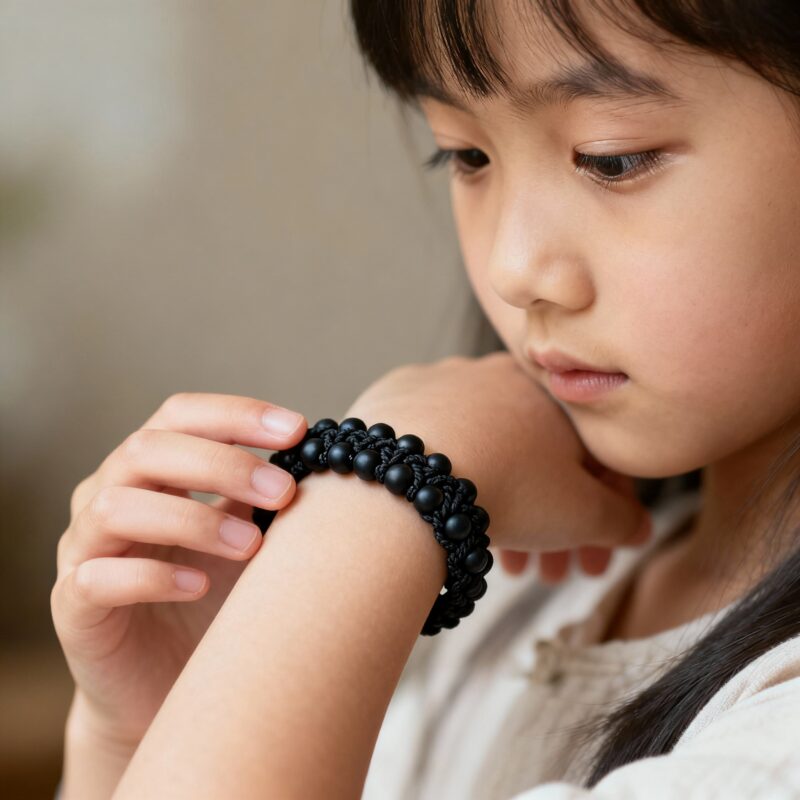
Then there were incense beads, small spheres of compressed aromatics that could be worn as jewellery. These represented a unique intersection of incense culture and personal adornment. The beads released fragrance through body heat, providing portable aromatherapy throughout the day.
Regional Variations
China is an enormous country with diverse climates and cultures. Not surprisingly, incense traditions developed differently in various regions.
Southern China, particularly Guangdong province, developed strong connections to Southeast Asian aromatics due to maritime trade. Agarwood has always been particularly important in the south. The city of Dongguan became famous for its agarwood trade and processing. Even today, some of China’s most skilled agarwood specialists work in this region.
Northern China had better access to overland Silk Road trade, making Central Asian and Middle Eastern aromatics more prominent. Frankincense and myrrh were more commonly used in northern incense blends. The cooler climate also influenced preferences, with warming aromatics being more popular.
Tibet developed its own distinct incense tradition that blended Chinese, Indian, and indigenous influences. Tibetan incense often includes high-altitude medicinal herbs not found in lowland Chinese incense. The formulas are closely tied to Tibetan Buddhist practice and traditional Tibetan medicine.
Each region also developed its own aesthetic preferences. Southern incense tends toward richer, more resinous fragrances. Northern incense might be drier and more herbal. These regional differences persist today, adding wonderful diversity to Chinese incense culture.
The Modern Revival
Chinese incense culture went through difficult periods in the 20th century. During times of upheaval and modernisation, many traditional practices were set aside or actively discouraged. Master incense makers aged without passing on their knowledge. Ancient formulas were lost. The sophisticated incense culture of previous centuries seemed in danger of disappearing entirely.
But something interesting has happened over the past few decades. There’s been a genuine revival of interest in traditional Chinese incense. Younger generations are rediscovering this aspect of their cultural heritage. People are seeking out remaining master craftspeople to learn traditional techniques. Ancient texts on incense making are being studied and their formulas recreated.
This revival isn’t just about nostalgia. It’s being driven by genuine interest in natural wellness practices, mindfulness, and authentic cultural experiences. In an increasingly modernised and Westernised China, traditional incense offers a tangible connection to the past.
Modern Chinese incense makers are also innovating. They’re creating new blends that honour tradition whilst addressing contemporary needs. Some are experimenting with sustainable sourcing practices, important given the endangered status of woods like agarwood and sandalwood. Others are developing new forms and applications that fit modern lifestyles.
The revival extends beyond China too. Chinese diaspora communities worldwide are maintaining incense traditions in their new homes. And increasingly, people from all cultural backgrounds are discovering and appreciating Chinese incense, drawn by its natural character, therapeutic potential, and deep cultural significance.
Sustainability and the Future
As interest in traditional Chinese incense grows, we have to address some uncomfortable realities. Many of the most prized traditional aromatics are now endangered or threatened species. Agarwood trees in the wild have been devastated by over-harvesting. Several species of sandalwood face similar pressures. The demand has far outpaced sustainable supply.
This presents both challenges and opportunities. The challenge is preserving these traditions without further damaging fragile ecosystems. The opportunity is to reimagine Chinese incense culture in more sustainable ways.
Plantation cultivation of traditionally wild-harvested species offers one solution. Farmers in China and Southeast Asia are now cultivating agarwood and sandalwood specifically for incense production. These plantation sources can’t fully replace wild materials in terms of quality, but they provide viable alternatives that don’t harm natural forests.
Some incense makers are also exploring alternative botanicals that can provide similar aromatic profiles without the environmental cost. Traditional Chinese medicine is rich with aromatic herbs that haven’t been over-exploited. Creative blenders are finding ways to use these more sustainable materials effectively.
There’s also growing awareness among consumers. People are asking questions about sourcing. They want to know their incense comes from ethical, sustainable sources. This consumer pressure is encouraging better practices throughout the industry.
The future of Chinese incense culture depends on finding this balance. We need to honour and preserve traditional knowledge whilst adapting practices to environmental realities. It’s possible to maintain the essence of the tradition, the spiritual and cultural significance, whilst being more thoughtful about the materials we use.
What Chinese Incense Culture Teaches Us
Looking at the long history of incense in China, what can we learn? What does this tradition offer to our modern world?
First, it demonstrates the profound human relationship with aromatic plants. For thousands of years, people have recognised that certain scents can transform our mental and emotional states. They can make spaces feel sacred. They can support healing. They can aid concentration or meditation. Modern science is only beginning to fully understand these effects, but human experience has known them for millennia.
Chinese incense culture also shows us a more holistic way of thinking about wellness. In traditional Chinese understanding, physical health, mental clarity, and spiritual wellbeing aren’t separate concerns. They’re all interconnected aspects of the whole person. Incense could address all these dimensions simultaneously. This integrated approach to health feels increasingly relevant as modern medicine begins to recognise the limitations of treating symptoms in isolation.
There’s also something to learn from the role of beauty and refinement in Chinese incense tradition. The Song Dynasty scholars didn’t just use incense medicinally or religiously. They made it an art form. They found meaning and pleasure in subtle aesthetic experiences. In our often rushed and utilitarian modern world, this reminds us of the value of slowing down to appreciate beauty for its own sake.
The social dimension matters too. Incense gatherings created community. They were opportunities for people to share knowledge, demonstrate skill, and enjoy each other’s company. In an increasingly isolated modern world, these kinds of shared aesthetic experiences have real value.
Bringing Ancient Wisdom into Today
You don’t need to be Chinese or Buddhist or Taoist to appreciate and benefit from Chinese incense traditions. The wisdom embedded in these practices is fundamentally human and universally accessible.
You might start simply by incorporating natural incense into your daily routine. Burn a stick in the morning as part of a mindfulness practice. Use it to mark transitions in your day. Create a ritual around lighting incense before meditation, study, or creative work. Notice how the fragrance affects your state of mind.
Consider exploring different aromatics to discover what resonates with you. Traditional Chinese incense offers remarkable variety. There are grounding woods, uplifting florals, clarifying herbs, warming spices. Finding fragrances that speak to you personally is part of the journey.
You might also explore more traditional forms like raw materials or incense beads. Wearing incense bead jewellery brings the practice into your daily life in a very personal way. The subtle fragrance becomes a constant companion, a gentle reminder to pause and breathe.
Learning about the cultural context enriches the experience too. Understanding why certain aromatics are valued, what they symbolise, how they’ve been used historically adds depth to the practice. You’re not just burning something that smells nice. You’re connecting with thousands of years of human wisdom.
The Essence of Xiang
Ultimately, the Chinese incense tradition teaches us that fragrance is never just fragrance. It’s medicine and prayer. It’s art and daily practice. It’s personal experience and shared culture. It’s ancient wisdom and contemporary relevance.
The character 香, xiang, captures all of this in a single word. Incense, fragrance, aroma, perfume, spice. The boundaries between these concepts are intentionally blurred because, in the deepest sense, they’re all expressions of the same thing. They’re all ways that aromatic plants touch our lives, heal our bodies, ease our minds, and nourish our spirits.
When you engage with Chinese incense, you’re participating in one of humanity’s oldest and most beautiful cultural traditions. You’re doing something that scholars did a thousand years ago, that monks have done for centuries, that families continue doing today. The fragrant smoke rises just as it always has, carrying the same timeless invitation to pause, breathe, and be present.
That’s the real gift of this ancient tradition. Not just beautiful fragrances or cultural knowledge, but a practical tool for bringing more mindfulness, beauty, and meaning into everyday life. In a world that often feels fragmented and hurried, Chinese incense culture offers a gentle path back to wholeness and peace.
